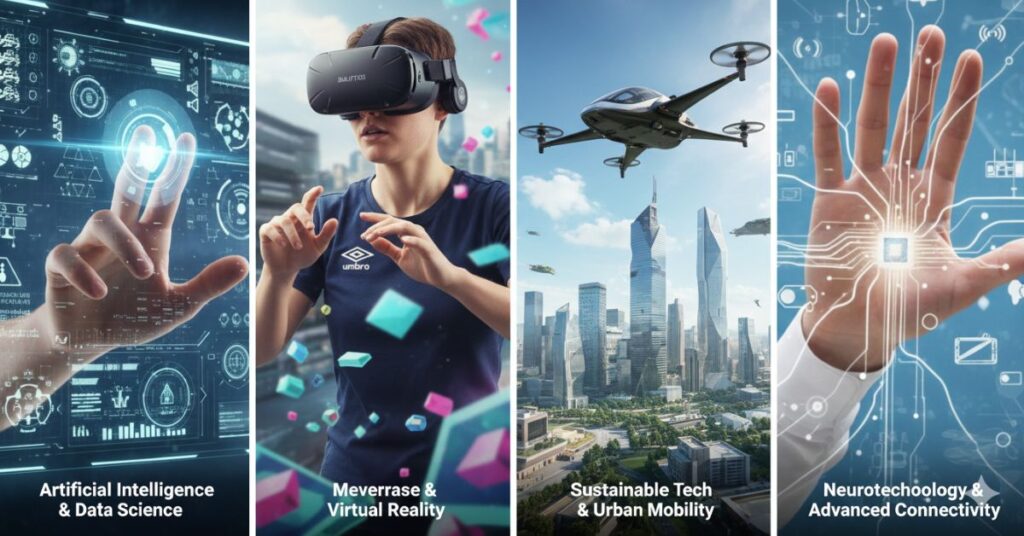
Artificial Intelligence has rapidly evolved from a theoretical concept into a practical tool that is reshaping the way businesses operate. Across industries, organizations are leveraging AI to improve efficiency, enhance decision-making, and create competitive advantages. Much like how analysts carefully observe the arrivée pmu du jour to understand outcomes and trends, business leaders closely monitor AI-driven insights to stay ahead in a data-driven economy.
This transformation is not limited to technology companies alone. From retail and finance to healthcare and manufacturing, artificial intelligence is redefining traditional business models and setting new standards for performance and innovation.
The Expanding Role of Artificial Intelligence in Modern Business
Artificial intelligence refers to systems capable of simulating human intelligence through learning, reasoning, and adaptation. In the business environment, AI enables companies to process large volumes of data quickly and accurately, something that was previously impossible with manual methods alone.
As markets become more competitive and customer expectations continue to rise, AI has become a strategic necessity rather than a luxury. Businesses that embrace AI gain the ability to anticipate trends, reduce operational inefficiencies, and respond faster to change.
Why Businesses Are Investing in AI Technologies
Organizations are investing in artificial intelligence because it delivers measurable value. AI improves speed, accuracy, and scalability across operations. It helps leaders make informed decisions based on real-time data rather than assumptions.
Just as the arrivée pmu du jour provides timely insight into results, AI delivers immediate visibility into business performance, enabling quicker and more confident decision-making.
How Artificial Intelligence Is Transforming Business Operations
AI is deeply embedded in daily business operations, improving workflows and optimizing internal processes. Its impact can be seen in how companies manage resources, handle data, and deliver products or services.
Automation and Operational Efficiency
One of the most significant ways artificial intelligence is transforming businesses is through automation. AI-powered systems handle repetitive tasks such as data processing, scheduling, and reporting with minimal human intervention. This reduces costs, minimizes errors, and increases productivity.
Automation allows employees to focus on strategic and creative tasks, improving overall organizational efficiency and job satisfaction.
Intelligent Decision-Making Through Data Analysis
AI-driven analytics tools process vast datasets to uncover patterns and insights that humans might overlook. These insights support better planning, forecasting, and risk management.
In many ways, analyzing AI-generated data mirrors the process of studying the arrivée pmu du jour, where careful interpretation leads to smarter predictions and outcomes.
Enhancing Customer Experience With Artificial Intelligence
Customer experience has become a key factor in business success, and AI plays a central role in meeting modern consumer expectations. Companies use AI to better understand customers and deliver personalized interactions.
Personalization and Customer Insights
Artificial intelligence enables businesses to tailor products, services, and communications based on individual customer preferences. By analyzing behavior and purchase history, AI helps create more relevant and engaging experiences.
This personalization strengthens customer loyalty and increases satisfaction, leading to long-term business growth.
AI-Driven Customer Support Systems
Customer service has been transformed by AI-powered chatbots and virtual assistants. These systems provide instant responses, handle common inquiries, and operate continuously without downtime.
By improving response speed and consistency, AI enhances customer trust while allowing human agents to focus on complex issues.
Artificial Intelligence in Marketing and Sales Growth
Marketing and sales functions have undergone major changes due to artificial intelligence. AI tools enable businesses to better understand their audiences and optimize strategies for higher returns.
Data-Driven Marketing Strategies
AI analyzes customer data to predict behavior and identify trends. This allows marketers to design targeted campaigns that reach the right audience at the right time.
With AI insights guiding strategy, businesses reduce wasted spending and improve campaign effectiveness. This predictive approach is similar to following the arrivée pmu du jour, where data-driven analysis helps forecast results.
Sales Optimization and Forecasting
AI-powered sales systems evaluate customer interactions to identify high-potential leads and forecast revenue more accurately. Sales teams can prioritize efforts and close deals more efficiently.
This leads to improved performance, reduced sales cycles, and more consistent growth.
Transforming Human Resources and Workforce Management
Artificial intelligence is also changing how businesses manage people, from recruitment to employee development. HR departments increasingly rely on AI to improve efficiency and fairness.
Recruitment and Talent Acquisition
AI tools streamline recruitment by screening resumes, matching candidates to job roles, and reducing unconscious bias. This accelerates hiring and improves candidate quality.
Businesses benefit from faster recruitment processes and better alignment between talent and organizational needs.
Employee Performance and Skill Development
AI analyzes performance data to identify training needs and career development opportunities. Personalized learning recommendations help employees grow and adapt to changing job requirements.
This data-driven approach supports a more engaged and productive workforce.
Artificial Intelligence in Finance and Risk Management
Financial operations are another area where artificial intelligence is driving transformation. AI improves accuracy, security, and strategic planning in finance.
Fraud Detection and Financial Security
AI systems monitor transactions in real time to detect unusual activity and potential fraud. These systems adapt continuously, improving their ability to identify risks over time.
This proactive approach protects businesses from financial loss and enhances trust.
Smarter Financial Planning
AI-powered tools automate budgeting, forecasting, and financial analysis. Businesses gain deeper insights into cash flow, expenses, and profitability.
Just as professionals review the arrivée pmu du jour to understand financial outcomes, organizations rely on AI-driven analysis to guide financial decisions.
Challenges and Ethical Considerations in AI Adoption
Despite its benefits, artificial intelligence presents challenges that businesses must address responsibly. Ethical use, transparency, and workforce impact are key considerations.
Data Privacy and Compliance
AI systems depend on data, making privacy and security critical. Businesses must ensure compliance with regulations and protect sensitive information.
Clear policies and strong security frameworks are essential for maintaining trust.
Workforce Transformation and Skills
AI adoption changes job roles and skill requirements. Businesses must invest in training and upskilling to support employees through this transition.
Responsible AI implementation focuses on collaboration between humans and technology rather than replacement.
The Future of Artificial Intelligence in Business
The future of AI in business will be shaped by deeper integration, smarter automation, and more ethical frameworks. As technology advances, AI will become even more central to strategy and innovation.
Companies that embrace AI thoughtfully will be better equipped to adapt to change and sustain long-term growth, much like those who consistently analyze the arrivée pmu du jour to stay informed and prepared.
Conclusion
Artificial intelligence is transforming businesses by reshaping operations, enhancing customer experiences, and enabling smarter decision-making. From automation and marketing to finance and human resources, AI is redefining how organizations compete and grow.
Understanding how artificial intelligence is transforming businesses is essential for leaders seeking long-term success. In a world driven by data and speed, those who leverage AI effectively will remain ahead of the curve.