Connectivity has become a fundamental part of modern life. From instant communication to real-time data access, people now expect seamless digital experiences wherever they go. At the heart of this transformation is 5G technology. The impact of 5G technology on connectivity goes far beyond faster internet, reshaping how devices, systems, and people interact. Much like how users track updates and outcomes through the arrivée pmu du jour, modern connectivity depends on speed, accuracy, and reliability.
5G is setting new standards for how networks perform and how digital services are delivered across industries and everyday life.
Understanding the Basics of 5G Technology
To fully grasp the impact of 5G technology on connectivity, it is important to understand what makes it different from previous generations.
How 5G Improves on Existing Networks
Unlike 4G, which mainly enhanced mobile browsing and streaming, 5G is designed to handle massive data volumes with minimal delay. It offers significantly higher speeds, extremely low latency, and the capacity to connect far more devices at the same time. These improvements create a stronger and more flexible foundation for modern connectivity.
The Technology Powering 5G Networks
5G uses advanced innovations such as millimeter waves, network slicing, and small cell infrastructure. These technologies allow networks to deliver consistent performance even in crowded areas. This reliability is essential in a world where people expect instant updates, similar to the real-time nature of the arrivée pmu du jour.
Faster Speeds and a New Standard of Connectivity
Speed is one of the most visible benefits of 5G technology.
Transforming Mobile Internet Usage
With 5G, downloading large files, streaming high-quality video, and accessing cloud services take seconds rather than minutes. This shift allows users to rely more on mobile networks instead of traditional wired connections, redefining how and where people stay connected.
Supporting Advanced Digital Experiences
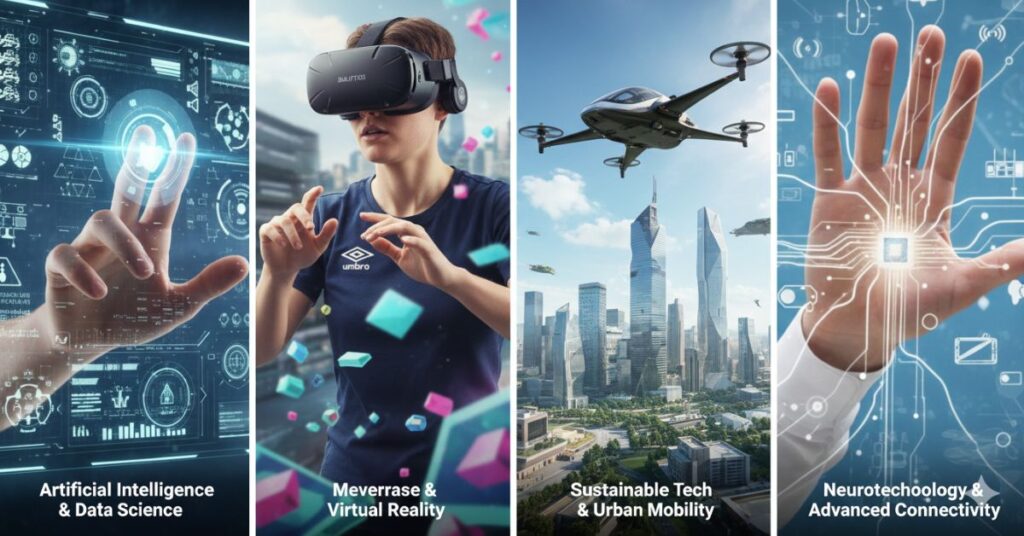
High-speed connectivity makes data-heavy applications more practical. Augmented reality, virtual reality, and immersive digital platforms benefit greatly from 5G speeds, enabling smoother and more engaging user experiences across entertainment, education, and business.
Low Latency and Real-Time Interaction
Beyond speed, latency plays a crucial role in the impact of 5G technology on connectivity.
What Ultra-Low Latency Means
Latency refers to the delay between sending and receiving data. 5G significantly reduces this delay, making interactions feel instantaneous. This improvement enhances online gaming, video conferencing, and live broadcasts, creating more natural and responsive digital communication.
Enabling Critical Real-Time Applications
Low latency is essential for technologies that depend on immediate feedback. Autonomous vehicles, smart traffic systems, and remote medical procedures require real-time data exchange. 5G makes these applications safer and more reliable, expanding the role of connectivity into critical areas.
Expanding the Internet of Things Ecosystem
One of the most transformative aspects of 5G is its ability to connect a vast number of devices simultaneously.
Connecting Devices at an Unprecedented Scale
5G supports a much higher density of connected devices than earlier networks. This capability fuels the growth of smart homes, wearable technology, and industrial sensors, creating an interconnected digital environment that operates efficiently and continuously.
Smart Cities and Connected Infrastructure
Cities are increasingly adopting 5G to improve public services. Smart lighting, traffic control, and surveillance systems rely on stable connectivity to function effectively. These developments improve urban efficiency, much like how timely data matters when following the arrivée pmu du jour.
The Impact of 5G on Business Connectivity
Businesses are among the biggest beneficiaries of improved connectivity.
Redefining Remote Work and Collaboration
5G enables smooth video conferencing, fast cloud access, and real-time collaboration tools. Employees can work effectively from different locations, making remote and hybrid work models more reliable and productive.
Enhancing Industrial Operations
Manufacturing, logistics, and supply chain management benefit from real-time monitoring and automation powered by 5G. Connected machines and sensors provide instant data, helping businesses reduce downtime and improve operational efficiency.
Healthcare Advancements Through 5G Connectivity
Healthcare systems are being transformed by improved network performance.
Telemedicine and Remote Monitoring
5G supports high-definition video consultations and real-time health monitoring. Patients can receive quality care without traveling, while doctors access accurate data instantly, improving diagnosis and treatment.
Supporting Advanced Medical Technologies
Robotic-assisted surgeries and connected medical devices rely on low latency and stable connections. 5G enhances precision and reliability, expanding access to advanced healthcare services.
Entertainment and Media in the 5G Era
Entertainment consumption is evolving rapidly with better connectivity.
Seamless Streaming Experiences
5G allows uninterrupted streaming of ultra-high-definition content on mobile devices. Users enjoy smoother playback, even in crowded environments, raising expectations for content delivery.
Interactive and Immersive Media
Virtual events, interactive sports viewing, and immersive digital experiences rely on fast, stable networks. These innovations change how audiences engage with content, offering real-time interaction similar to the anticipation surrounding the arrivée pmu du jour.
Challenges Facing 5G Connectivity
Despite its advantages, the impact of 5G technology on connectivity comes with challenges.
Infrastructure Development and Coverage
Building 5G networks requires significant investment in infrastructure. Urban areas often gain access first, while rural regions may experience delays, creating temporary gaps in connectivity.
Device Compatibility and Transition
Not all devices support 5G technology. As adoption grows, users gradually upgrade hardware to fully benefit from improved network performance.
Security and Privacy in a Connected World
Greater connectivity also increases responsibility.
Protecting Networks and Data
With more connected devices, cybersecurity becomes more complex. Strong encryption, network monitoring, and regulatory standards are essential to protect data and maintain trust.
Building Confidence in 5G Systems
Transparent policies and robust security frameworks help users and businesses feel confident in adopting 5G, ensuring long-term success.
The Future of Connectivity Powered by 5G
The impact of 5G technology on connectivity will continue to grow.
A Foundation for Emerging Technologies
5G supports innovations such as artificial intelligence, edge computing, and future network generations. These technologies will further enhance connectivity and digital capabilities.
Toward a Fully Connected Digital Society
As 5G expands globally, connectivity will become faster, smarter, and more integrated into everyday life. This evolution will shape how people live, work, and interact in the digital age.
Conclusion
The impact of 5G technology on connectivity represents a major shift in how the world stays connected. With faster speeds, lower latency, and the ability to support countless devices, 5G is transforming industries, healthcare, entertainment, and daily communication. While challenges remain, the long-term potential of 5G is undeniable.
Just as people rely on accurate and timely information through the arrivée pmu du jour, modern society increasingly depends on strong, reliable connectivity. 5G is not just an upgrade; it is the foundation of a more connected future.
Read Also: Emerging Tech Innovations to Watch This Year